Free whiteboard templates
248 ready-made boards, drawn in Kelvo's hand-drawn style: flowcharts, architecture diagrams, retrospectives, roadmaps, strategy frameworks and more. Open one and it's a normal board: edit the text, move boxes, add your own steps. No sign-up needed.
Popular templates
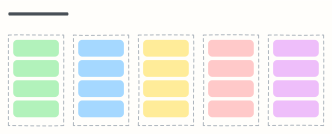 Code review checklist
What to look for in a pull request, from correctness to security, so reviews are fast and consistent.
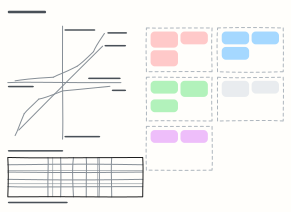 Kano model
Sort features into must-be, performance, attractive, indifferent and reverse by how they affect customer satisfaction.
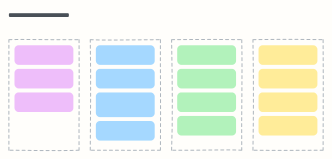 Feature launch checklist
Everything that has to happen before, on and after launch day, with an owner for each item.
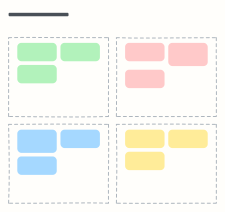 SWOT analysis
Map internal strengths and weaknesses against external opportunities and threats before you plan.
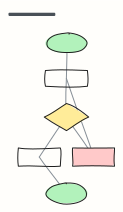 Basic flowchart
Start, steps, a decision with yes/no branches, and an end — the classic shape to build from.
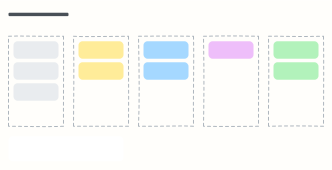 Kanban board
Backlog to Done with WIP limits on each column, so work flows instead of piling up.
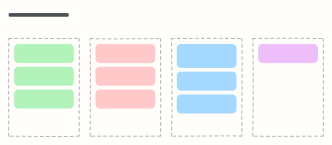 Sprint retrospective
What went well, what could be better, and action items with an owner — the standard Scrum retro.
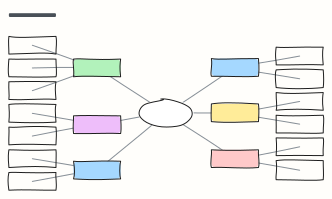 Mind map
A balanced mind map that keeps arranging itself as you add branches (Tab adds a branch).
Flowchart and process templates
- Basic flowchart
Start, steps, a decision with yes/no branches, and an end — the classic shape to build from.
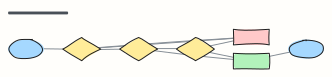 Approval workflow
A request moves through manager and finance approval, with rejection and rework loops.
 Support ticket escalation
How a support ticket moves from first response to tier 2, engineering, and resolution.
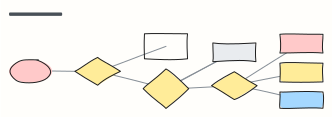 Bug triage
Decide what happens to every incoming bug report: reproduce, size the impact, then schedule.
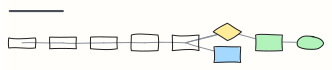 Incident response
Detect, triage, mitigate, communicate, resolve and learn — an on-call runbook in one view.
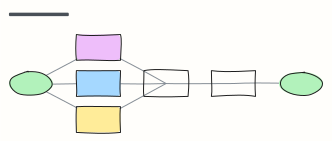 Employee onboarding process
From signed offer to first-week check-in: what HR, IT and the manager each do, in order.
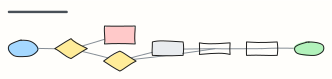 Order fulfillment
An e-commerce order from checkout to delivery, including payment failure and stock-outs.
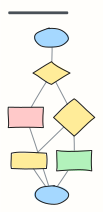 Refund request process
Check eligibility, choose refund or exchange, and close the loop with the customer.
 Content publishing workflow
Idea to published post: draft, edit, review, schedule, promote, with a revision loop.
 Purchase request (procurement)
Budget check, vendor selection, purchase order and invoice matching.
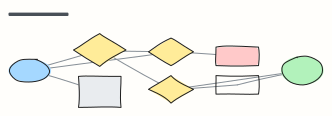 Sign-in flow
Sign in with password, two-factor, lockout and password reset paths.
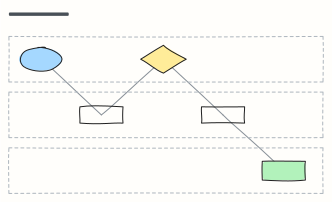 Swimlane process
Who does what: one lane per team, with hand-offs between Customer, Sales, and Operations.
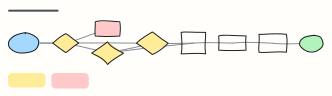 IT access request
Request, approve and provision access to a system, with extra review for admin rights and sensitive data.
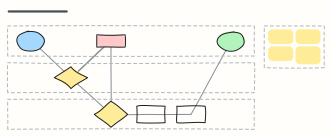 Expense reimbursement
An expense claim across Employee, Manager and Finance lanes: approval, receipt checks, rework and payout.
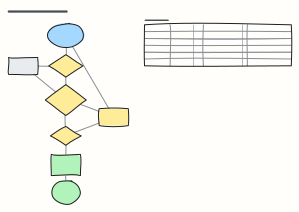 Leave request approval
Check balance and team cover, get the manager's decision and update payroll — plus notice rules by leave type.
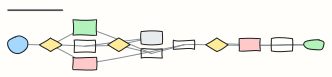 Change request process
ITIL-style change management: standard, normal and emergency changes, CAB approval, rollback and review.
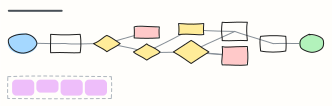 Invoice processing (accounts payable)
Supplier invoice to payment: capture, duplicate check, three-way match, approval and the payment run.
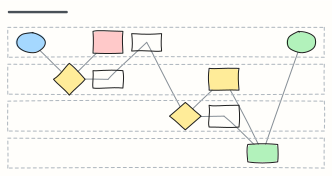 Returns (RMA) process
A product return across Customer, Support, Warehouse and Finance: RMA number, inspection, restock and refund.
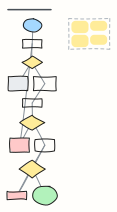 Password reset flow
A secure forgot-password flow: no account enumeration, single-use expiring links, password policy and session revoke.
AI and machine learning diagram templates
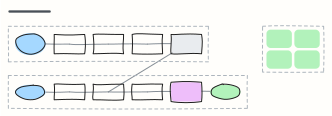 RAG pipeline
Retrieval-augmented generation end to end: ingest and embed documents offline, then retrieve, rerank and answer with citations.
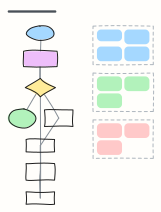 LLM agent loop
How a tool-using agent plans, calls tools, observes results and updates memory until the goal is met, with guardrails.
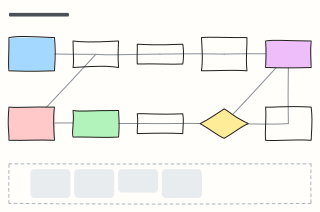 MLOps lifecycle
The machine learning loop from problem framing to monitored production model, with retraining when data drifts.
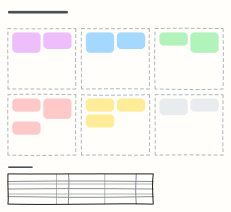 Prompt design canvas
Design a production prompt piece by piece — role, context, task, constraints, examples, output format — plus test cases.
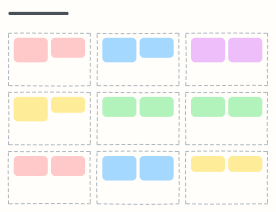 AI use-case canvas
Assess an AI opportunity on one page: problem, users, data, approach, value, risks and the smallest pilot.
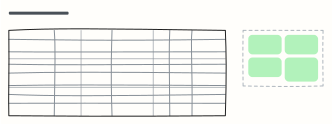 Model evaluation plan
Metrics, datasets, targets and owners for evaluating an LLM or ML model, plus the gate a release must pass.
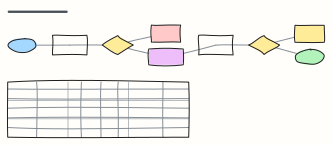 AI guardrails & risk register
Input and output guardrails around an LLM call, with a risk register for hallucination, injection, leakage and bias.
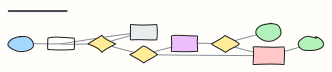 Chatbot with human handoff
A support chatbot conversation flow: intent detection, clarifying questions, knowledge-base answers and escalation to an agent.
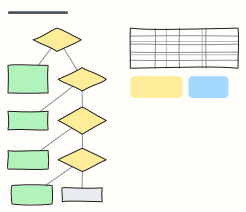 Prompting vs RAG vs fine-tuning
A decision tree for choosing prompt engineering, RAG, fine-tuning or an agent, with a cost and speed comparison.
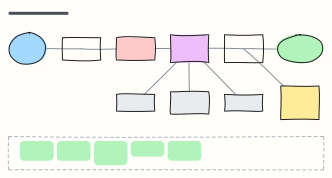 LLM application architecture
Production building blocks around a model: gateway, guardrails, orchestrator, cache, vector DB, tools and observability.
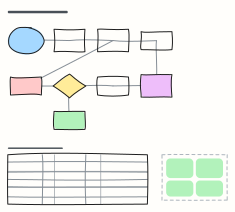 LLM fine-tuning workflow
Fine-tune a model step by step: define the task, build a clean dataset, train a LoRA adapter, evaluate against the baseline and ship.
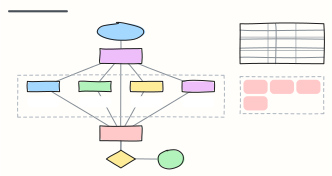 Multi-agent orchestration
An orchestrator agent splits a goal across specialist agents with their own tools, then a reviewer agent checks the result.
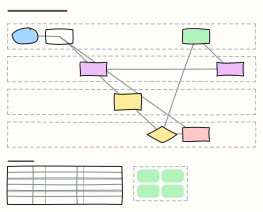 Data labeling pipeline
Who does what when labeling training data: guidelines, model pre-labels, double annotation, QA on agreement and retraining.
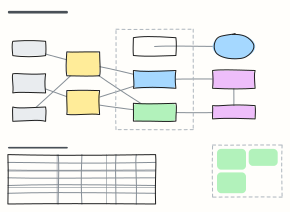 ML feature store
How a feature store serves the same features to training and real-time inference: batch and streaming pipelines, offline and online stores.
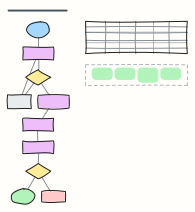 Prompt chaining workflow
Break one big LLM task into small chained prompts with checks between them: classify, extract, draft, critique, send.
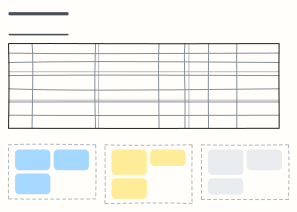 ML experiment tracker
Log every model experiment with its hypothesis, change, metrics and decision, so the team knows what worked and what to try next.
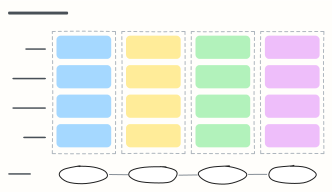 AI adoption roadmap
A four-quarter plan for bringing AI into a company: use cases, data and platform, people and skills, and governance per phase.
Cloud and DevOps diagram templates
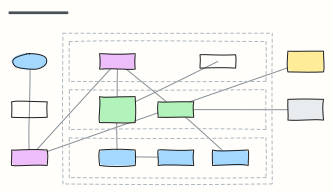 AWS three-tier web app
A highly available web app on AWS: DNS and CDN, load balancer, auto-scaled app servers and Multi-AZ database in a VPC.
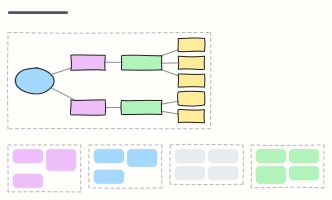 Kubernetes cluster overview
Ingress, services, deployments and pods in a namespace, with config, storage, control plane and add-ons around them.
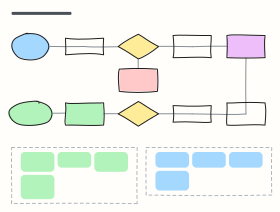 CI/CD pipeline with quality gates
From pull request to production: build, tests, security scans, staging, approval and canary release, with the gates in between.
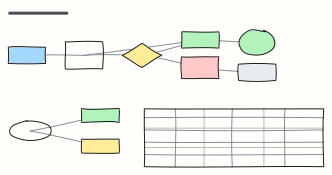 Canary & blue/green deployment
Release safely: shift a little traffic to the new version, check SLOs, then promote or roll back — plus a strategy comparison.
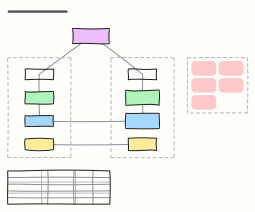 Multi-region disaster recovery
Warm-standby DR across two regions with DNS failover and replicated data, RTO/RPO options and a failover runbook.
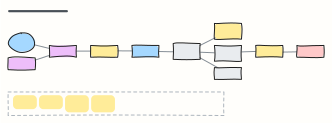 Serverless event-driven app
An AWS serverless order system: API Gateway and Lambda, DynamoDB streams into EventBridge, SQS with a dead-letter queue.
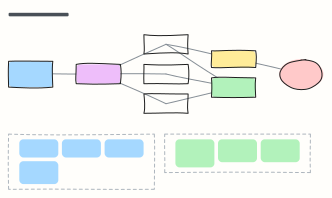 Observability stack
Metrics, logs and traces through OpenTelemetry into Prometheus, Loki and Tempo, with Grafana, alerting and SLO notes.
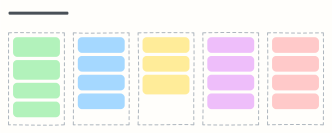 Cloud cost optimization board
FinOps actions sorted from quick wins to governance: clean up, right-size, commit, re-architect and keep costs visible.
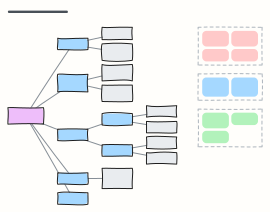 Cloud landing zone (account structure)
A multi-account organization with OUs for security, infrastructure, workloads and sandboxes, plus the guardrails every account gets.
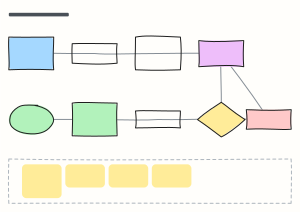 Infrastructure-as-code workflow
The Terraform change workflow: branch, checks, plan on the PR, review, merge, apply with locked state, and drift detection.
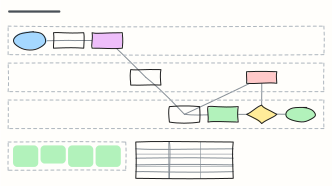 GitOps workflow (Argo CD)
Deploy by pull request: CI builds the image, a config-repo PR bumps the tag, and Argo CD syncs the cluster to match git.
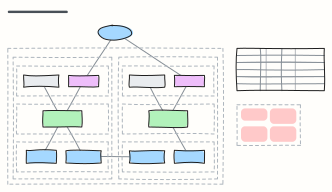 AWS VPC network layout
A two-AZ AWS VPC with public, private and data subnets, internet and NAT gateways, route tables and security groups.
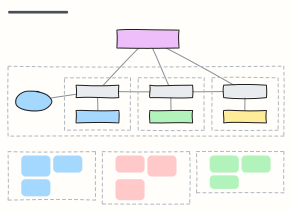 Service mesh overview (Istio)
How a service mesh works: sidecar proxies beside every pod, mTLS between services, and a control plane pushing config and certs.
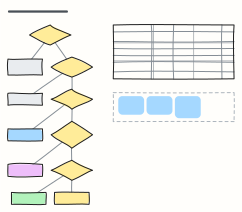 Cloud migration: the 6 Rs
Decide how to move each application to the cloud — retire, retain, repurchase, rehost, replatform or refactor — and plan the waves.
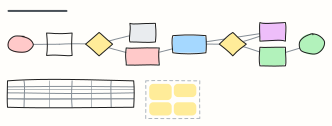 On-call incident runbook
What the on-call engineer does when a page fires: acknowledge, judge impact, declare, mitigate first, then escalate and follow up.
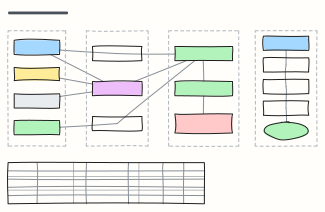 Backup & restore strategy
A 3-2-1 backup plan for cloud data: what gets backed up, how often, where the copies live, and a monthly restore drill.
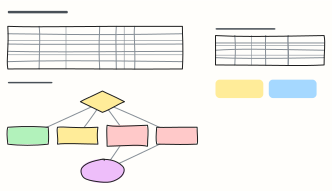 SLOs & error budget policy
Define SLIs and SLOs per service, turn them into an error budget, and agree what happens to releases as the budget burns.
Solution architecture diagram templates
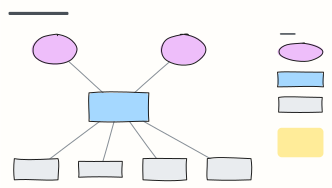 C4 system context diagram
C4 level 1: the system in scope, the people who use it and the external systems it depends on, with a legend.
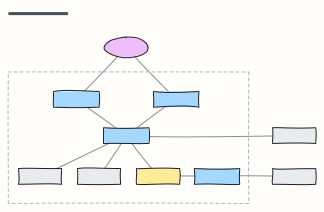 C4 container diagram
C4 level 2: the apps, APIs, databases and queues inside the system boundary, with the technology on each link.
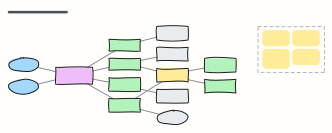 Microservices with API gateway
Clients behind an API gateway, services that each own their database, and an event bus for asynchronous work.
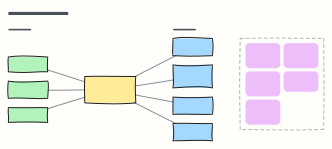 Event-driven architecture
Producers publish facts to a broker; independent consumers react — with the design rules that keep it reliable.
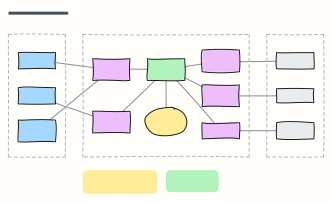 Hexagonal architecture (ports & adapters)
Keep business logic independent: driving adapters call inbound ports, the core uses outbound ports that adapters implement.
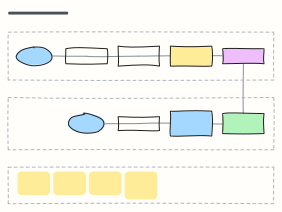 CQRS + event sourcing
Separate write and read paths: commands append events to an event store, projectors build read models for queries.
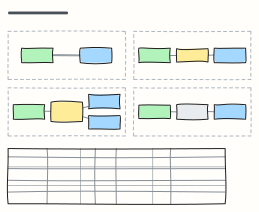 Integration patterns compared
Request/response, queues, pub/sub and batch transfer side by side, with coupling, latency and when to use each.
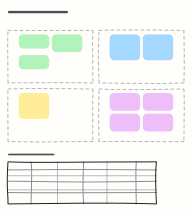 Architecture decision record (ADR)
Record one decision: status, context, the decision, consequences and the options you considered.
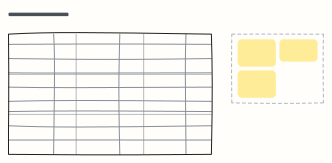 Non-functional requirements
Measurable quality attributes — availability, performance, security, recovery and more — with how each is verified.
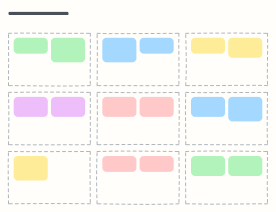 Solution architecture canvas
Frame a solution on one page: goals, stakeholders, scope, qualities, constraints, integrations, decisions, risks and roadmap.
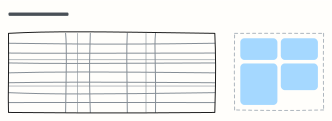 Build vs buy decision matrix
Score building, buying SaaS or self-hosting open source against weighted criteria to make the call explicit.
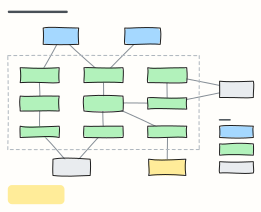 C4 component diagram
C4 level 3: the components inside one container, what each is responsible for, and how they reach databases and external systems.
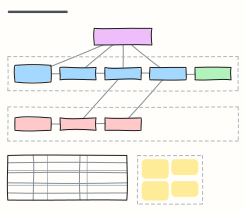 Saga pattern (distributed transactions)
An orchestrated saga: local transactions across services, the compensating steps that undo them, and orchestration vs choreography.
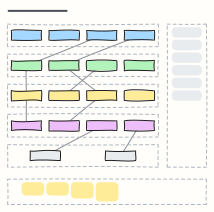 Layered (n-tier) architecture
Presentation, application, domain, persistence and database layers, with cross-cutting concerns and the rules that keep layers clean.
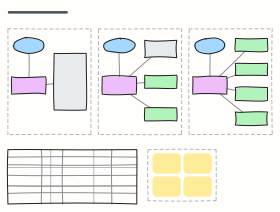 Strangler fig migration
Replace a legacy monolith slice by slice behind a routing facade, in three phases, with a tracker for each slice.
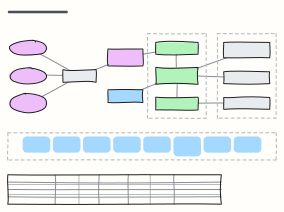 Multi-tenant SaaS architecture
Tenant routing, a shared stateless app tier, pooled and siloed data, the control plane, and the trade-offs between tenancy models.
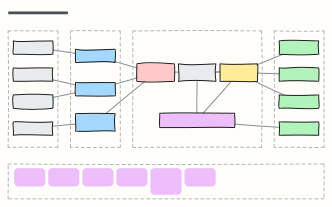 Data lakehouse architecture
Sources, ingestion, bronze/silver/gold tables on object storage, the consumers that read them, and the governance around it all.
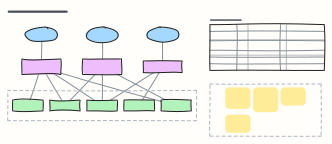 Backend for frontend (BFF)
One backend per client experience: web, mobile and partner APIs that aggregate shared services, with what each BFF owns.
Software engineering diagram templates
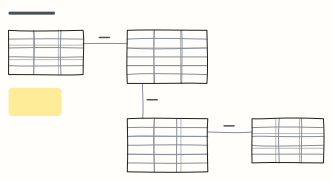 ER diagram (database schema)
Entities as tables with columns, types and keys, joined by one-to-many relationships — sketch a schema before the migration.
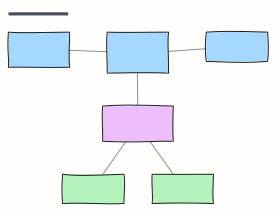 UML class diagram
Classes with fields and methods, associations with multiplicity, and an interface with two implementations.
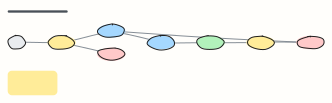 State machine
Every state an order can be in and the events that move it — the source of truth for status logic and tests.
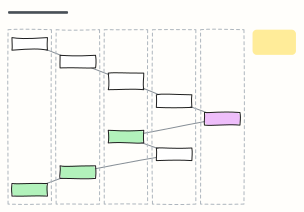 Sequence diagram (request flow)
Numbered steps across Client, API gateway, service, database and a third party — how one checkout request really travels.
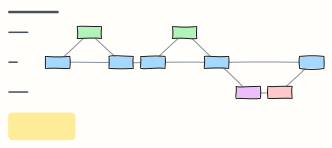 Git branching strategy
Trunk-based development with short-lived feature branches, pull requests, release branches and a cherry-picked hotfix.
- Code review checklist
What to look for in a pull request, from correctness to security, so reviews are fast and consistent.
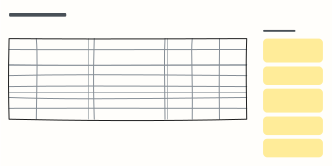 REST API design
An endpoint table — method, path, auth, status codes — plus the conventions every endpoint follows.
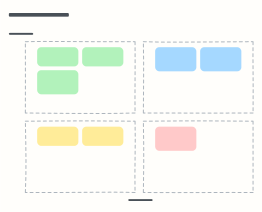 Tech debt prioritization
Sort tech debt by impact and effort so the team fixes quick wins first and plans the big ones.
 Debugging flow
A disciplined loop for hard bugs: reproduce, write a failing test, isolate, hypothesise, fix the root cause.
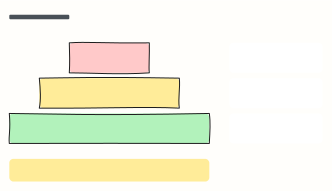 Test pyramid (test strategy)
How many unit, integration and end-to-end tests to write, what each covers, and how fast they should run.
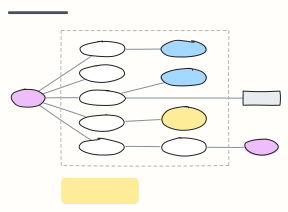 UML use case diagram
Actors, the system boundary and the use cases they take part in, with «include» and «extend» relationships.
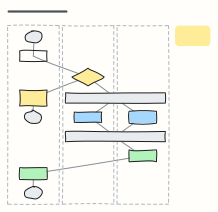 UML activity diagram
An order's activity flow across Customer, Store and Warehouse partitions, with a decision, a fork and a join.
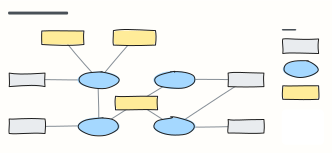 Data flow diagram (DFD)
A level-1 DFD: external entities, numbered processes, data stores and the data that flows between them.
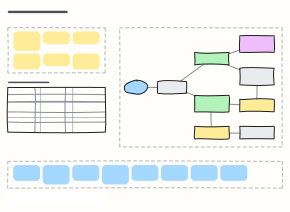 System design interview board
Work a system design question on one board: requirements, estimates, the high-level design and deep dives.
 Incident postmortem
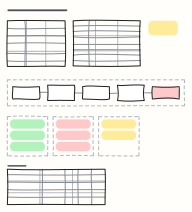
A blameless postmortem: summary, timeline, five whys to the root cause, what went well or wrong, and owned actions.
 Release process checklist
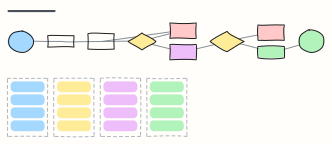
From code freeze to 100% rollout: the go/no-go gate, canary checks, rollback path and a checklist for every phase.
 Zero-downtime schema migration
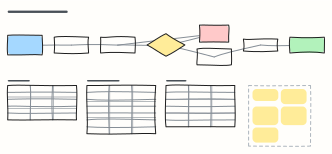
Expand and contract: change a live database schema in small, reversible deploys, with the table before, during and after.
Product management templates
 Now / Next / Later roadmap
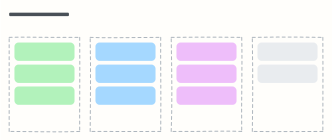
An outcome-based product roadmap without fake dates: what we're doing now, next, later, and what we're not doing.
 PRD one-pager
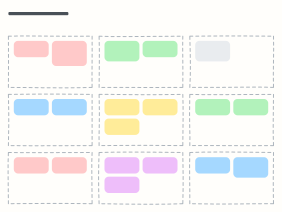
A product requirements doc on one board: problem, goals, non-goals, users, requirements, metrics, risks and timeline.
 RICE prioritization
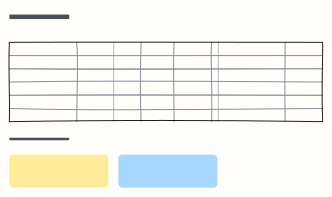
Score features by Reach, Impact, Confidence and Effort to rank a backlog with numbers instead of opinions.
 MoSCoW prioritization
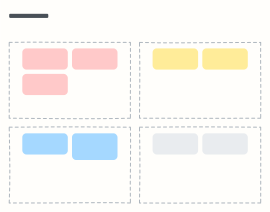
Split a release's scope into Must, Should, Could and Won't-have-this-time so everyone agrees what ships.
 User story map
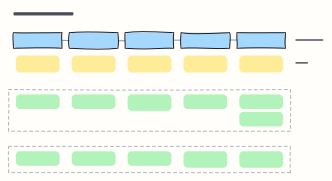
The user's journey as a backbone of activities, tasks under each, and stories sliced into releases (MVP first).
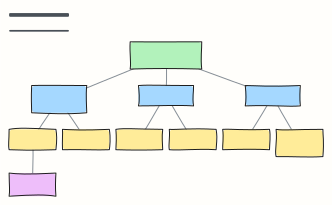 Opportunity solution tree
Connect one outcome to customer opportunities, candidate solutions and the experiments that test them.
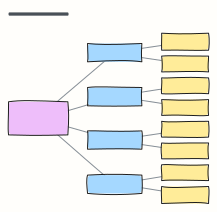 North Star metric tree
Break your North Star metric into input metrics a team can move, and the levers behind each one.
- Feature launch checklist
Everything that has to happen before, on and after launch day, with an owner for each item.
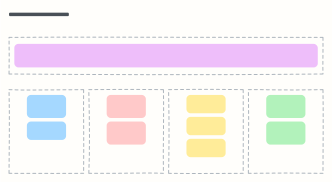 Product vision board
Vision, target group, needs, product and business goals on one page — align the team on why the product exists.
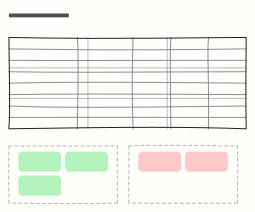 Competitive analysis
Compare your product against competitors feature by feature, then write down where you win and where you lose.
- Kano model
Sort features into must-be, performance, attractive, indifferent and reverse by how they affect customer satisfaction.
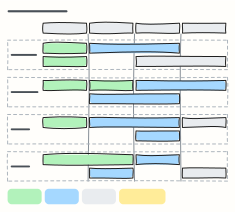 Quarterly product roadmap
A four-quarter roadmap by theme, with each initiative drawn across the quarters it spans and coloured by confidence.
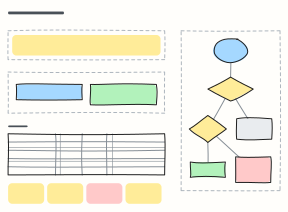 A/B test plan
Plan an experiment before it runs: hypothesis, variants, primary and guardrail metrics, sample size and the decision rules.
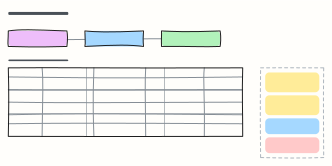 HEART metrics framework
Google's HEART framework for UX metrics: goals, signals and metrics for happiness, engagement, adoption, retention and task success.
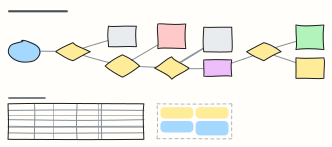 Feature request triage
A repeatable flow for incoming feature requests: dedupe, check strategic fit and evidence, score, then roadmap, park or decline.
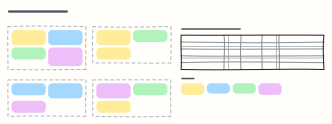 Customer feedback board
Cluster real customer quotes into themes, colour them by source, and rank the themes by mentions and revenue at risk.
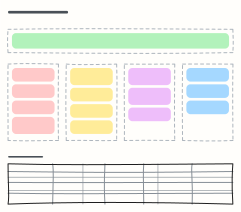 Product discovery board
Run continuous discovery on one board: the outcome, customer opportunities, ideas, riskiest assumptions and an experiment log.
Agile and Scrum templates
- Kanban board
Backlog to Done with WIP limits on each column, so work flows instead of piling up.
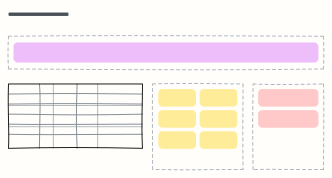 Sprint planning
Sprint goal, team capacity, the stories pulled in, and the risks — everything a sprint planning meeting needs.
- Sprint retrospective
What went well, what could be better, and action items with an owner — the standard Scrum retro.
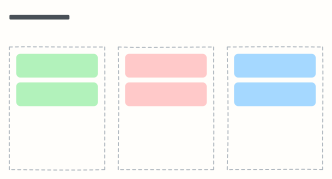 Start, stop, continue
A quick, action-focused retrospective: what to start doing, stop doing, and keep doing.
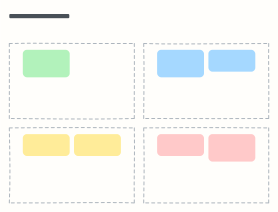 Sailboat retrospective
A visual retro: the island is our goal, wind pushes us, anchors slow us, rocks are risks ahead.
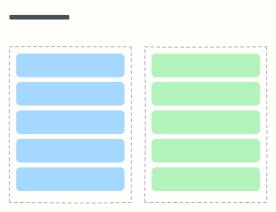 Definition of Ready & Done
The checklists a story must pass before the team takes it, and before anyone calls it done.
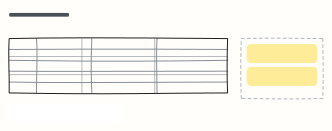 Daily standup board
Yesterday, today and blockers for each person, plus a parking lot so the standup stays 15 minutes.
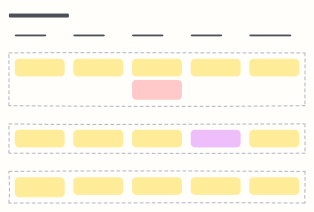 PI / release planning board
Teams × iterations for a planning increment: features per sprint, dependencies in red, milestones in purple.
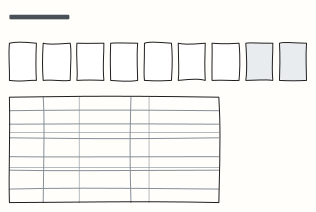 Story point estimation
Planning poker cards and a reference table of example stories per point value, so estimates stay consistent.
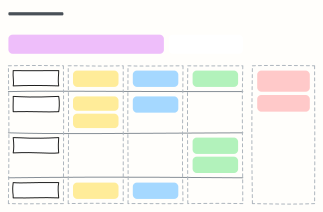 Scrum board
Each sprint story as a row with its tasks moving from To do to Done, plus the sprint goal and impediments.
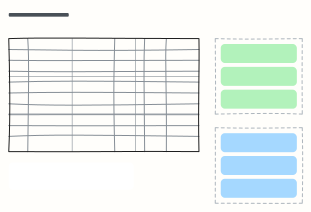 Product backlog
A ranked backlog with type, estimate and readiness, plus backlog health and the next refinement session.
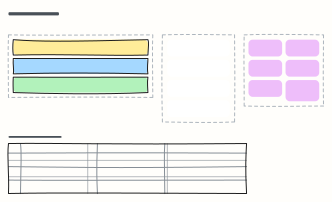 User story template
Write a story as who, what and why, with details, Given/When/Then acceptance criteria and an INVEST check.
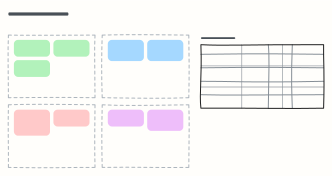 4Ls retrospective
Liked, Learned, Lacked, Longed for: a balanced retro that looks at both the work and how the team grew.
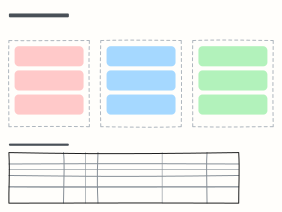 Mad, sad, glad retrospective
Collect what made the team mad, sad and glad, dot-vote the themes, and turn the top ones into actions.
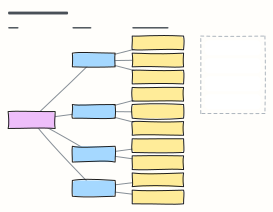 Epic breakdown
Split an epic into features and then into small, estimable user stories the team can finish in a sprint.
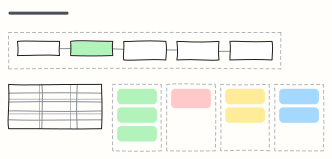 Sprint review
Run the sprint review: a timed agenda, planned vs done, what was demoed, stakeholder feedback and backlog changes.
Project management templates
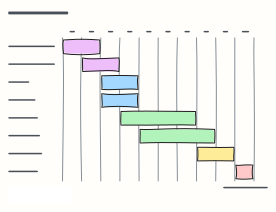 Gantt chart (project timeline)
Tasks as bars across ten weeks, coloured by phase, with the launch milestone — a quick project schedule.
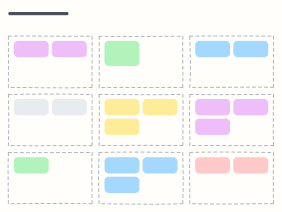 Project charter
Purpose, objectives, scope in and out, deliverables, milestones, budget, team and risks — the one page to approve a project.
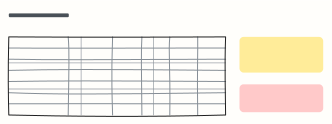 RACI matrix
Who is Responsible, Accountable, Consulted and Informed for each activity — ends the 'I thought you were doing it'.
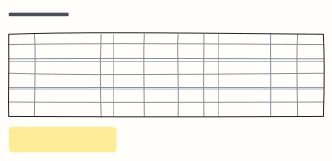 Risk register
Each risk with likelihood, impact, score, mitigation, owner and status, sorted so the biggest risks get attention.
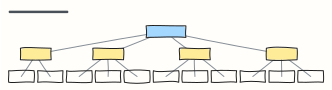 Work breakdown structure (WBS)
Break a project into phases and work packages small enough to estimate, assign and track.
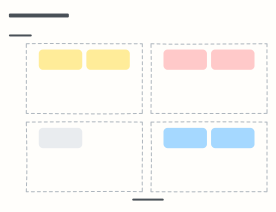 Stakeholder map (power / interest)
Place stakeholders by power and interest to decide who to manage closely, keep satisfied, keep informed or monitor.
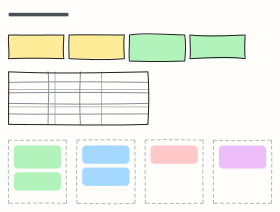 Project status report
A weekly RAG status: schedule, budget and scope at a glance, workstream status, highlights, risks and decisions needed.
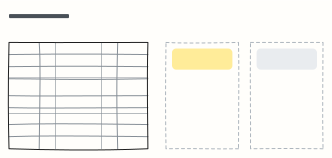 Project kickoff meeting
A 60-minute kickoff agenda with owners, plus space for questions, concerns and the parking lot.
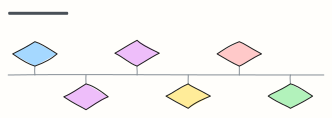 Milestone roadmap
Major milestones along a timeline with dates — the one picture for steering committees and status decks.
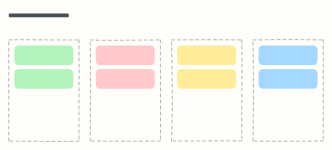 Lessons learned
A project post-mortem: what went well, what didn't, what we'd do differently, and recommendations for next time.
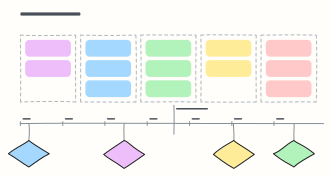 Project timeline
Phases with their deliverables over a month-by-month axis, key milestones and a today marker.
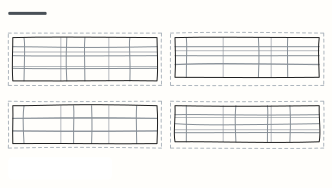 RAID log
Risks, assumptions, issues and dependencies in one log, each with an owner and a next step.
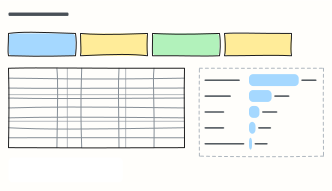 Project budget tracker
Budget, actuals, forecast and variance per cost category, with contingency and spend at a glance.
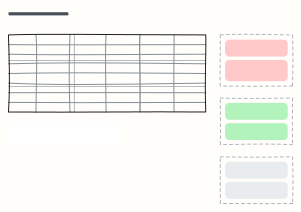 Resource allocation plan
Who works on what and how much, with over-allocated people flagged and the moves to rebalance them.
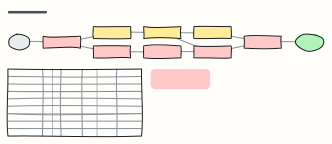 PERT chart (critical path)
Tasks as a network with durations, early start and finish, slack, and the critical path highlighted in red.
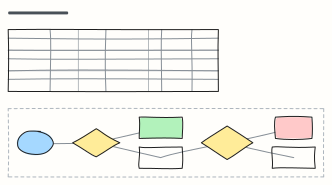 Project communication plan
Who hears what, through which channel, how often and from whom — plus the escalation path for problems.
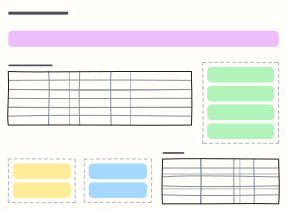 Project closure report
Close a project properly: planned vs actual, deliverables handed over, open items, lessons and sign-off.
UX and design templates
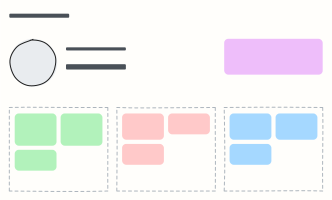 User persona
A one-page portrait of a key user: who they are, what they want, what gets in their way.
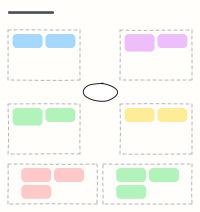 Empathy map
Capture what a user says, thinks, does and feels, plus their pains and gains, after interviews.
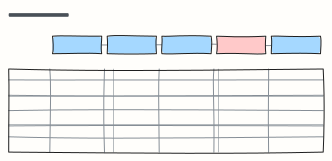 Customer journey map
Follow a customer through each stage: what they do, where, what they think and feel, and where to improve.
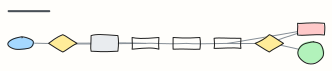 Checkout user flow
Every screen and decision from cart to order confirmation, including guest checkout and payment errors.
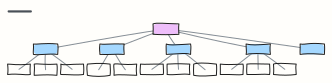 Website sitemap
The page hierarchy of a marketing site, from home to every section and sub-page.
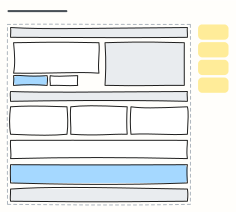 Landing page wireframe
A low-fidelity desktop landing page: nav, hero with one CTA, social proof, features, testimonial, footer.
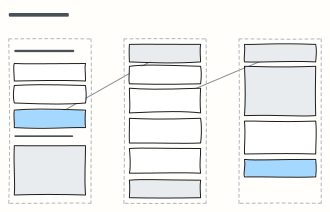 Mobile app wireframes
Three linked phone screens (sign up, home, detail) to sketch a mobile flow quickly.
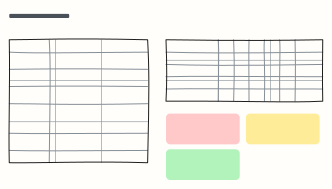 Usability test plan & results
Plan a 5-user usability test, then log task success and the top issues in the same place.
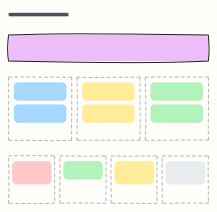 Jobs to be done
Frame the job a customer hires your product for, its functional, emotional and social sides, and the forces of switching.
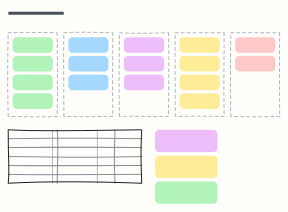 Card sorting results
Run an open card sort, see the groups people made, and spot the cards nobody agrees on before you fix the navigation.
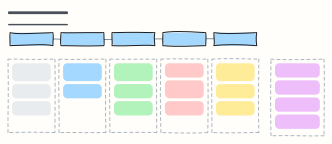 User interview guide
A 45-minute discussion guide: intro, warm-up, core questions and wrap-up, with reminders for the interviewer.
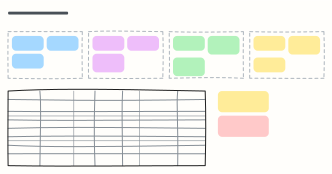 Design system inventory
Audit the foundations and components your product really uses, with variants, usage, status and an owner for each.
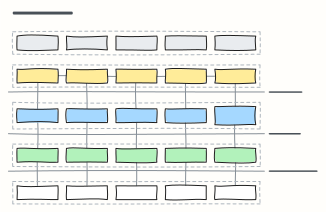 Service blueprint
Map what the customer does, what staff do in front of and behind the scenes, and the systems that support each step.
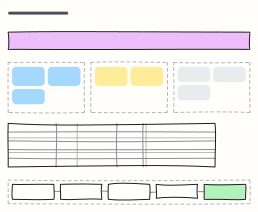 UX research plan
Agree the goal, questions, methods, participants and timeline of a research study before anyone books a session.
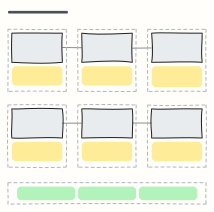 User storyboard
Tell a user's story in six panels, each a quick sketch and a caption, to share a scenario or a new idea.
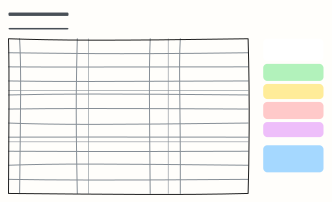 Heuristic evaluation
Review an interface against Nielsen's 10 usability heuristics, rate each issue's severity and agree the fixes.
Brainstorming and idea templates
- Mind map
A balanced mind map that keeps arranging itself as you add branches (Tab adds a branch).
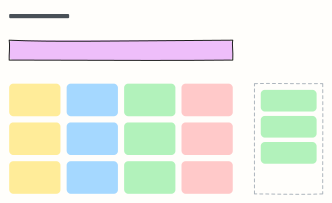 Brainstorm board
One question, a wall of idea stickies, and a spot for the top picks after dot voting.
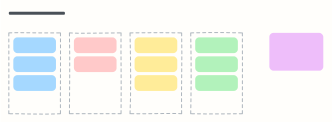 Affinity map
Cluster research notes or ideas into themes, then name each group and spot patterns.
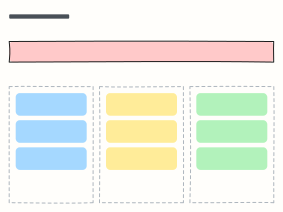 How might we
Turn research insights into “How might we…” questions, then into ideas worth testing.
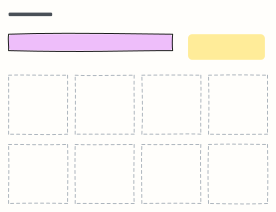 Crazy 8s
Sketch eight different ideas in eight minutes, one per frame, to get past the obvious first idea.
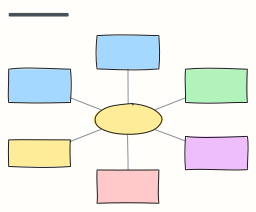 Starbursting (5W1H)
Stress-test an idea by asking Who, What, Where, When, Why and How before answering anything.
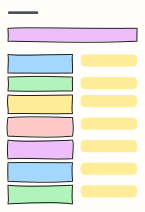 SCAMPER
Seven prompts (Substitute, Combine, Adapt, Modify, Put to another use, Eliminate, Reverse) to rethink a product.
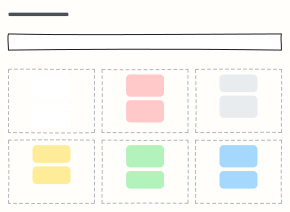 Six thinking hats
Look at one decision from six angles in turn: facts, feelings, risks, benefits, ideas and process.
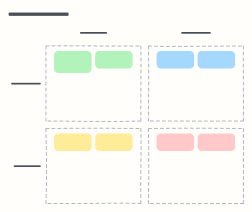 Impact / effort matrix
Place ideas by impact and effort to find quick wins and avoid money pits.
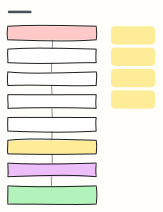 5 whys
Ask “why?” five times to dig past the symptom of a problem to a root cause you can actually fix.
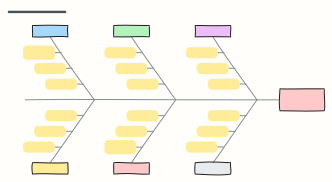 Fishbone diagram (Ishikawa)
Sort the possible causes of a problem into six categories along the bones of a fish to find where to dig.
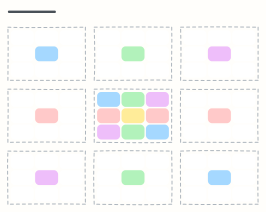 Lotus blossom
Grow one central theme into 8 sub-themes and 64 ideas, each sub-theme becoming the centre of its own petal.
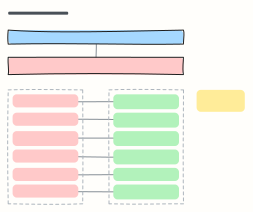 Reverse brainstorming
Ask how to make a problem worse, list the worst ideas, then flip each one into a solution worth trying.
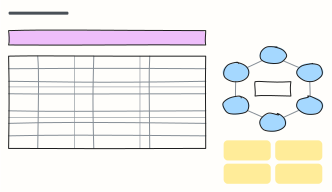 Brainwriting 6-3-5
Six people write three ideas each in five minutes, then pass the sheet on, building 108 ideas in 30 minutes.
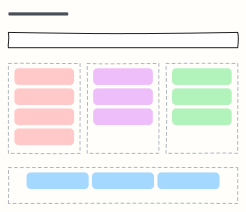 Rose, thorn, bud
Reflect on a project or experience by sorting what went well, what hurt, and what could grow into something more.
Strategy and business templates
- SWOT analysis
Map internal strengths and weaknesses against external opportunities and threats before you plan.
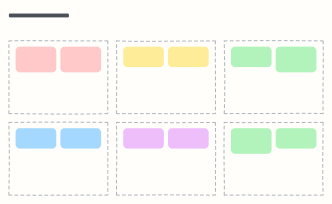 PESTLE analysis
Scan the Political, Economic, Social, Technological, Legal and Environmental forces around your market.
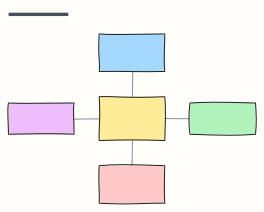 Porter's five forces
Judge how attractive an industry is by the five forces that shape competition and profit.
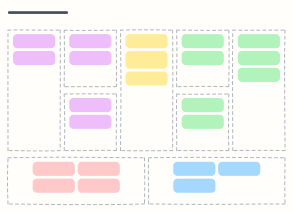 Business Model Canvas
Describe how your business creates, delivers and captures value on one page, in the nine classic blocks.
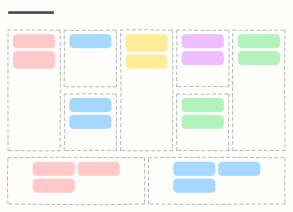 Lean Canvas
A one-page startup plan focused on problems, solutions, metrics and an unfair advantage.
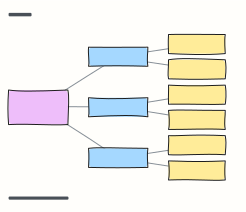 OKRs: objective, key results, initiatives
Break one inspiring objective into measurable key results and the initiatives you bet on to move them.
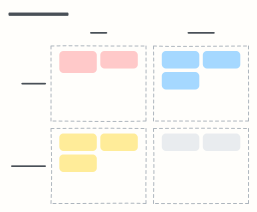 Eisenhower matrix
Sort tasks by urgency and importance: do, schedule, delegate, or drop.
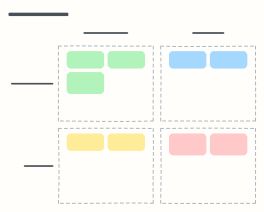 Ansoff growth matrix
Choose a growth strategy by pairing existing or new products with existing or new markets.
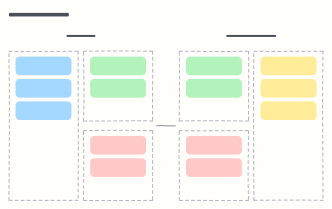 Value proposition canvas
Check that what you offer relieves real customer pains and creates the gains they care about.
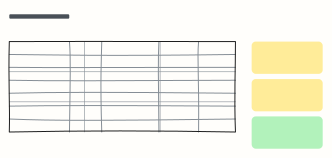 Weighted decision matrix
Compare options against weighted criteria so a big decision is explicit and easy to explain.
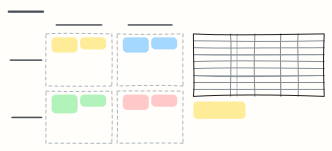 BCG growth-share matrix
Place each product by market growth and market share to decide where to invest, harvest or exit.
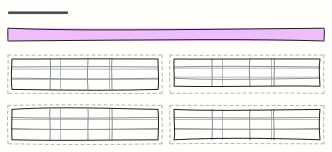 Balanced scorecard
Turn the strategy into objectives, measures, targets and initiatives across the four classic perspectives.
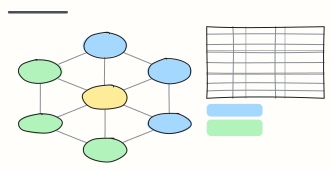 McKinsey 7S framework
Check that strategy, structure, systems, shared values, style, staff and skills line up before a big change.
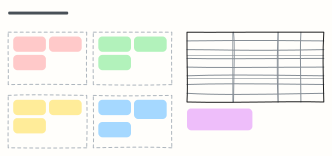 ERRC grid (Blue Ocean)
Find a blue ocean by deciding which industry factors to eliminate, reduce, raise and create.
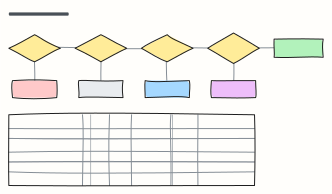 VRIO analysis
Test each resource for Value, Rarity, Imitability and Organization to see which give a lasting advantage.
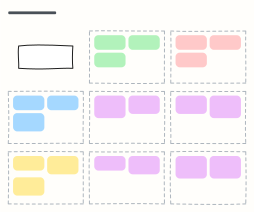 TOWS matrix
Turn a SWOT into strategies by pairing strengths and weaknesses with opportunities and threats.
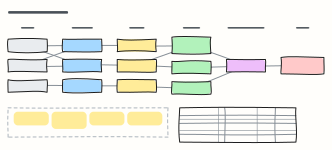 Theory of change
Trace how inputs and activities lead to outputs, outcomes and long-term impact, and the assumptions in between.
Meeting and workshop templates
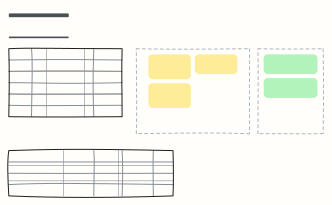 Meeting agenda, notes & actions
A timed agenda, live notes, decisions and an action list with owners — everything a meeting needs on one board.
 1:1 meeting
A recurring manager and report 1:1: their topics first, then feedback, growth and follow-ups.
 Weekly team sync
Last week's wins, this week's priorities, blockers and key metrics in a 30-minute team meeting.
 Workshop agenda
A timeboxed half-day workshop plan with goals, methods, and the materials and outcomes to prepare.
 Decision log
Record what was decided, why, who owns it and its status, so decisions don't get re-litigated.
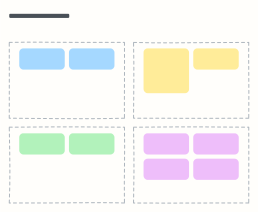 Icebreaker board
Four quick warm-up activities to get a new or remote team talking before the real work.
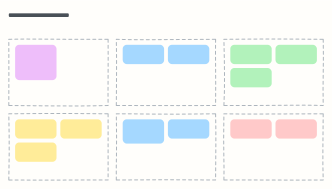 Team charter
Agree on purpose, goals, roles, working norms, communication and how decisions get made.
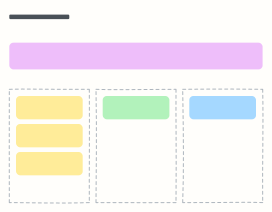 All-hands Q&A board
Collect questions before an all-hands, vote on them, and track what was answered or needs follow-up.
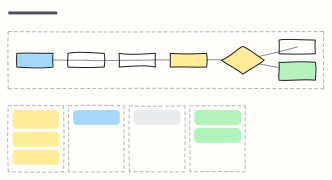 Lean Coffee
An agenda-less meeting: the group proposes topics, dot-votes them, and discusses each in short timeboxes.
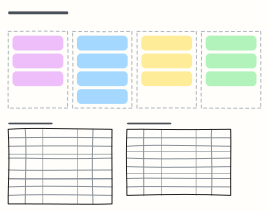 Team offsite plan
Plan a two-day team offsite: goals, logistics, pre-work, the outcomes you want, and a day-by-day agenda.
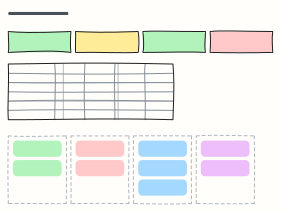 Quarterly business review (QBR)
Headline numbers, a target-vs-actual scorecard, wins and misses, next quarter's priorities and the asks.
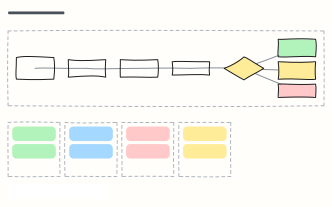 Design review
A 45-minute design critique: context, walkthrough, silent feedback, discussion and a clear build decision.
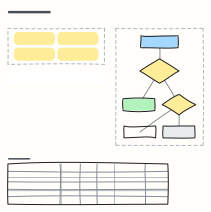 Parking lot
Park off-topic but important points during a meeting, then give each one an owner or drop it at the end.
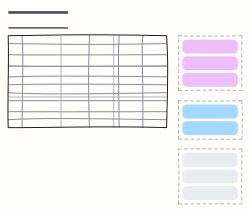 Board meeting agenda
A timed board of directors agenda with presenters, purpose and pre-reads, plus resolutions and attendance.
Marketing and sales templates
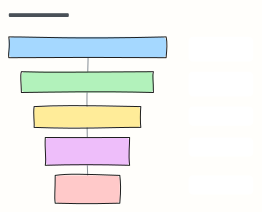 Marketing funnel (AARRR)
The pirate-metrics funnel: Acquisition, Activation, Retention, Referral, Revenue, each with the metric to watch.
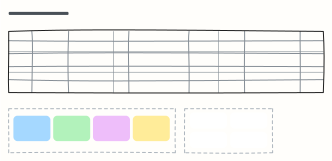 Content calendar
Plan a month of content across blog, newsletter and social, with themes, owners and content pillars.
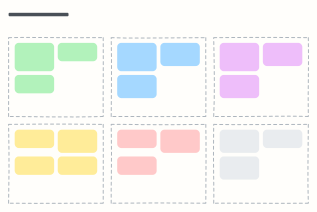 Campaign plan
One page for a marketing campaign: goal, audience, message, channels, budget and how you'll measure it.
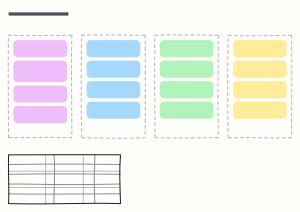 Go-to-market plan
Positioning, pre-launch, launch week and the first 90 days, with the metrics that define success.
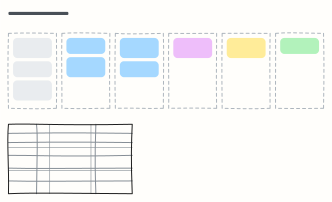 Sales pipeline
Deals moving from lead to closed-won, one column per stage, with exit criteria for each stage.
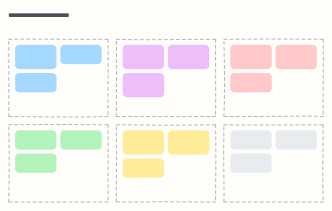 Ideal customer profile (ICP)
Who to sell to: company traits, buyer roles, pains, buying triggers, where to find them and red flags.
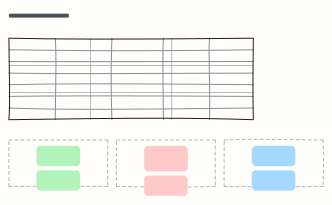 Competitor analysis
Compare competitors side by side on customer, price, strengths and weaknesses, then mark where you win.
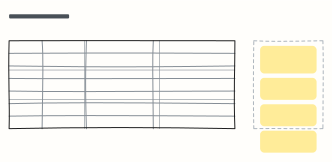 Pricing tiers
Lay out Free, Pro and Business plans side by side, plus the pricing decisions still to make.
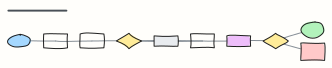 Email nurture sequence
A trial nurture flow with timed emails, an activation check and different paths for engaged and quiet users.
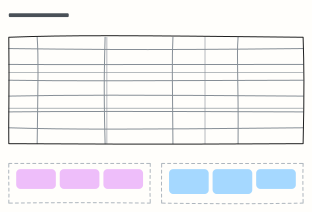 Social media calendar
A week of posts per platform with formats and posting times, plus recurring series and the numbers to log every Friday.
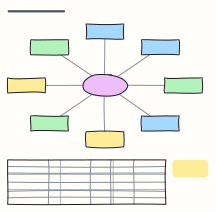 SEO topic cluster
A pillar page surrounded by the cluster articles that link to it, with target keywords, search volume and intent.
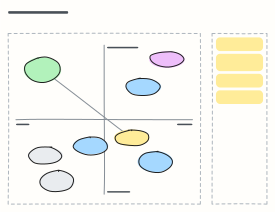 Perceptual positioning map
Plot competitors on the two attributes buyers care about most, find the white space and decide where you want to move.
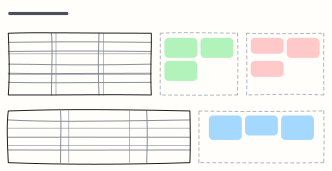 Sales battlecard
Everything a rep needs against one competitor: quick facts, where you win and lose, landmine questions and objection answers.
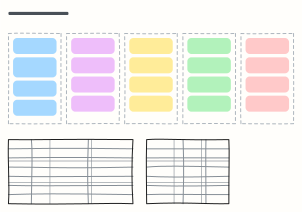 Event planning
Plan an event from eight weeks out to the follow-up, with a run of show for the day and a budget you can track.
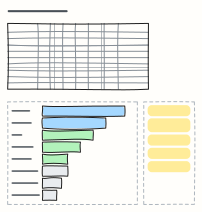 Marketing budget
Split a yearly marketing budget across channels and quarters, see each channel's share, and agree the rules for moving money.
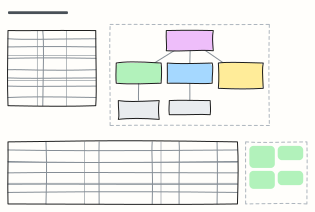 ABM account plan
An account-based marketing plan for one target account: snapshot, buying committee, plays per stakeholder and quarterly goals.
Education and personal planning templates
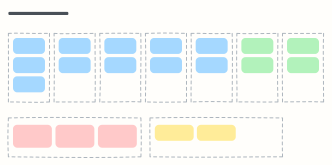 Weekly planner
Seven day columns for appointments and tasks, with your top three priorities and notes for the week.
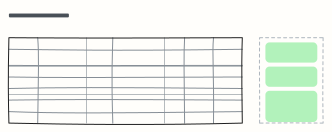 Exam study plan
A week-by-week revision plan with topics, practice and hours, plus your exam goal and weak spots.
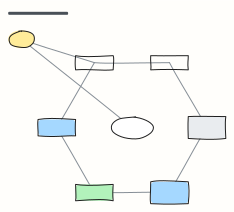 Concept map
Concepts linked by labelled relationships, shown with the water cycle — swap in any topic you're learning.
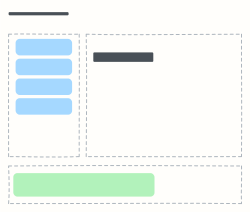 Cornell notes
The Cornell note-taking layout: cues and questions on the left, notes on the right, summary at the bottom.
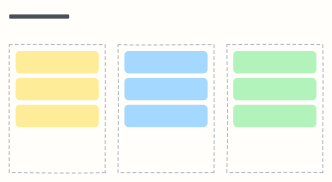 KWL chart
What I Know, what I Want to know, what I Learned — before, during and after studying a topic.
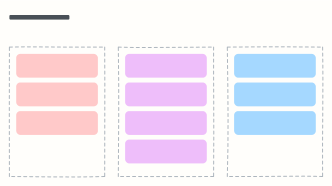 Compare and contrast
A Venn-style chart in three columns: what's only true of A, what both share, and what's only true of B.
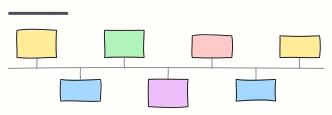 Timeline of events
Key events along a line, alternating above and below — shown with milestones in the history of science.
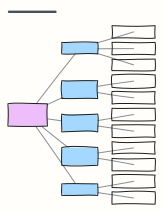 Essay outline
Thesis, introduction, three body paragraphs with evidence, a counter-argument and a conclusion.
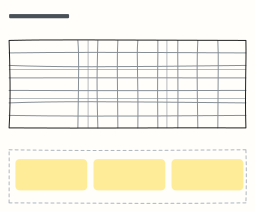 Habit tracker
Tick off daily habits for the week, track streaks, and reflect on what helped or got in the way.
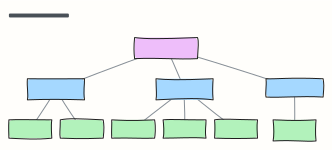 Family tree
Three generations from grandparents to grandchildren — rename the boxes and add branches with Tab.
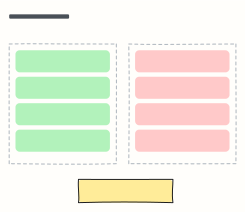 Pros and cons
Weigh a decision with pros and cons side by side, then write down the decision and the next step.
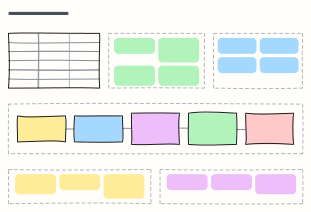 Lesson plan
Plan one lesson: objectives, materials, a timed flow from warm-up to exit ticket, differentiation and assessment.
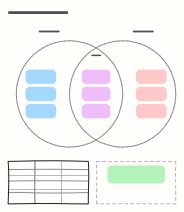 Venn diagram
Two overlapping circles to sort what's unique to each idea and what they share — shown with mitosis and meiosis.
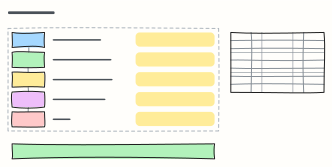 SMART goals
Turn a vague wish into a goal that's Specific, Measurable, Achievable, Relevant and Time-bound, with milestones.
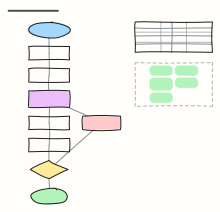 Scientific method
The scientific method as a flowchart, from observation to conclusion, with a worked plant experiment and its variables.
 Personal budget
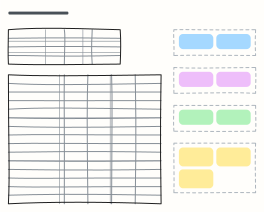
A monthly budget with income, planned vs actual spending by category, and a 50/30/20 check on needs, wants and savings.
 Book report
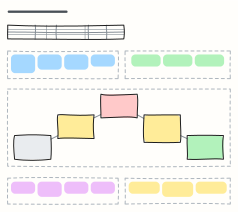
A book report on one board: details, characters, setting, a plot diagram from exposition to resolution, themes and your review.
Team and HR templates
 Org chart
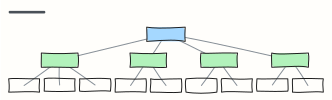
A company org chart from CEO to teams — rename the boxes, Tab adds a report.
 30-60-90 day plan
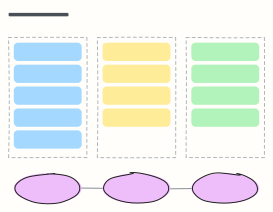
A new hire's first three months: learn, contribute, own — with a check-in at the end of each phase.
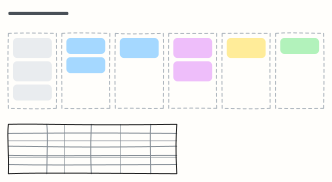 Hiring pipeline
Track candidates from sourcing to hire, one column per stage, with owners and time limits for each stage.
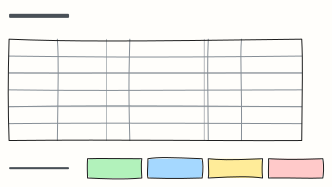 Interview scorecard
Score candidates on the same competencies with clear signals, questions and a 1–4 scale, then decide.
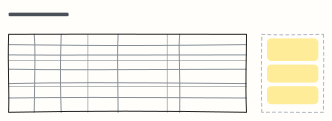 Career ladder
Levels from associate to principal, each with its scope, expected impact and typical behaviours.
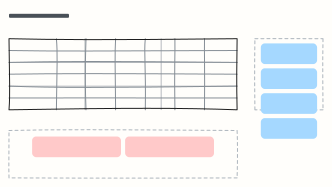 Skills matrix
Who knows what on the team, rated 1–4, so you can spot single points of failure and plan training.
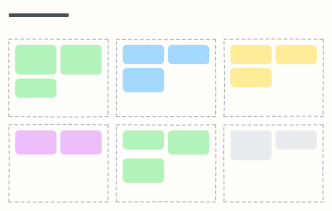 Performance review
A review conversation on one page: results, strengths, growth areas, peer feedback and a development plan.
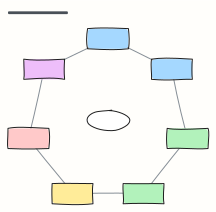 Employee lifecycle
The seven stages of the employee journey, from attracting talent to alumni, with what HR does at each.
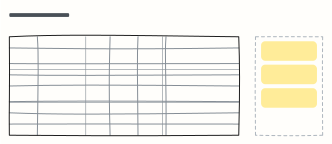 Team health check
Rate the team green, amber or red on the areas that matter, note the trend, and agree on actions.
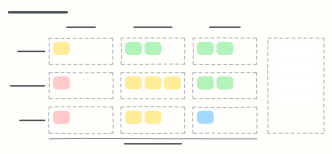 9-box talent grid
Place each person by performance and potential on the 9-box grid, with the next step for every box, for talent reviews.
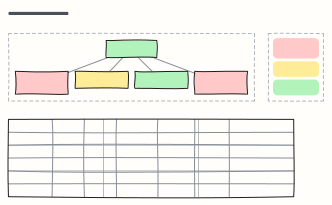 Succession plan
Map critical roles by risk of loss, name successors by readiness, and list what each one needs to be ready.
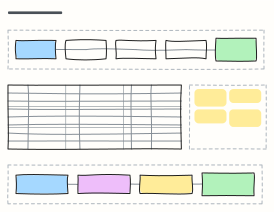 Training plan
Design a training program from needs analysis to evaluation, with a session schedule and Kirkpatrick measures.
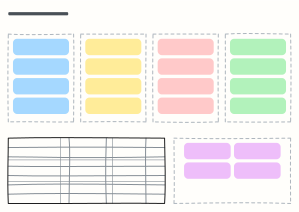 Offboarding checklist
Everything to do when someone leaves, from resignation to after their last day, plus the access to revoke and exit questions.
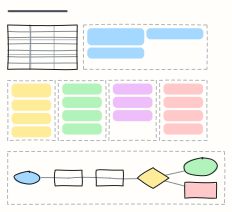 Job description builder
Draft a job description section by section, from role summary to benefits, then take it through review to publishing.
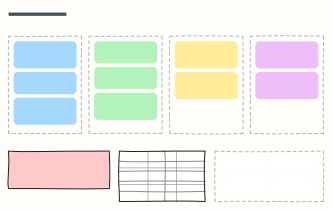 Kudos board
A team wall of thank-yous sorted by company value, with a shout-out of the month and tips for giving great kudos.
How templates work
Click Use this template on any template page and it opens in the app, ready to edit. Your copy is saved in your browser on your device, like every Kelvo board. New to Kelvo? Getting started takes two minutes.
Questions
Are the templates free?
Yes, every template is free. Click Use this template and it opens in the Kelvo app as a normal board you can edit, without signing up.
Do I need an account?
No. Every drawing tool works without an account, and a guest can keep one board. A free account keeps up to three boards and adds PNG and SVG export.
Where is my board saved?
In your browser, on your device, and it keeps working offline. To have it on another device, turn on sync for it with a free account, or export it as a .kelvo file and import it there.
Can I export a template as an image?
Yes, with a free account: export the page as PNG or SVG, or copy it as an image with ⌘⇧C. Anyone can save a board as a .kelvo backup file.